Emergency Information

Turned fast-moving emergency details into a steady sequence of public updates people could follow and use.

Example 01

Example heading

Use this space to explain what was happening and what people needed to know. Keep the opening focused on the situation, the audience, and the immediate communication problem.

Then explain the choice: what information was emphasized, how it was sequenced, and what the public needed to do next.
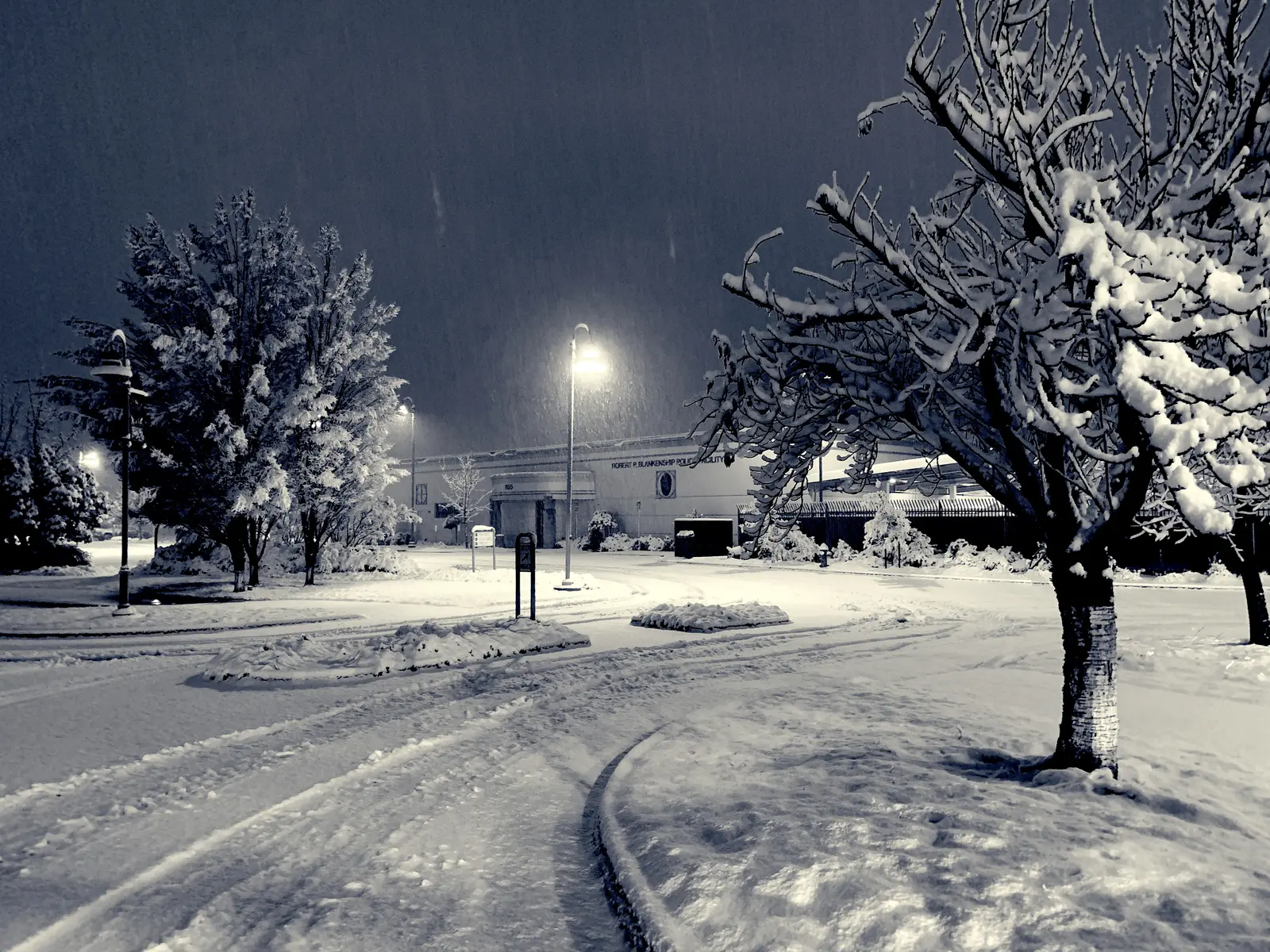
Snow-covered Robert P. Blankenship Police Facility at night
Placeholder caption.

Example 02

Example heading

Use this space for the context behind a second communication example. Explain what made the situation difficult and what the audience needed from the department.

Follow with the communication decision and its result. One or two short paragraphs are enough.

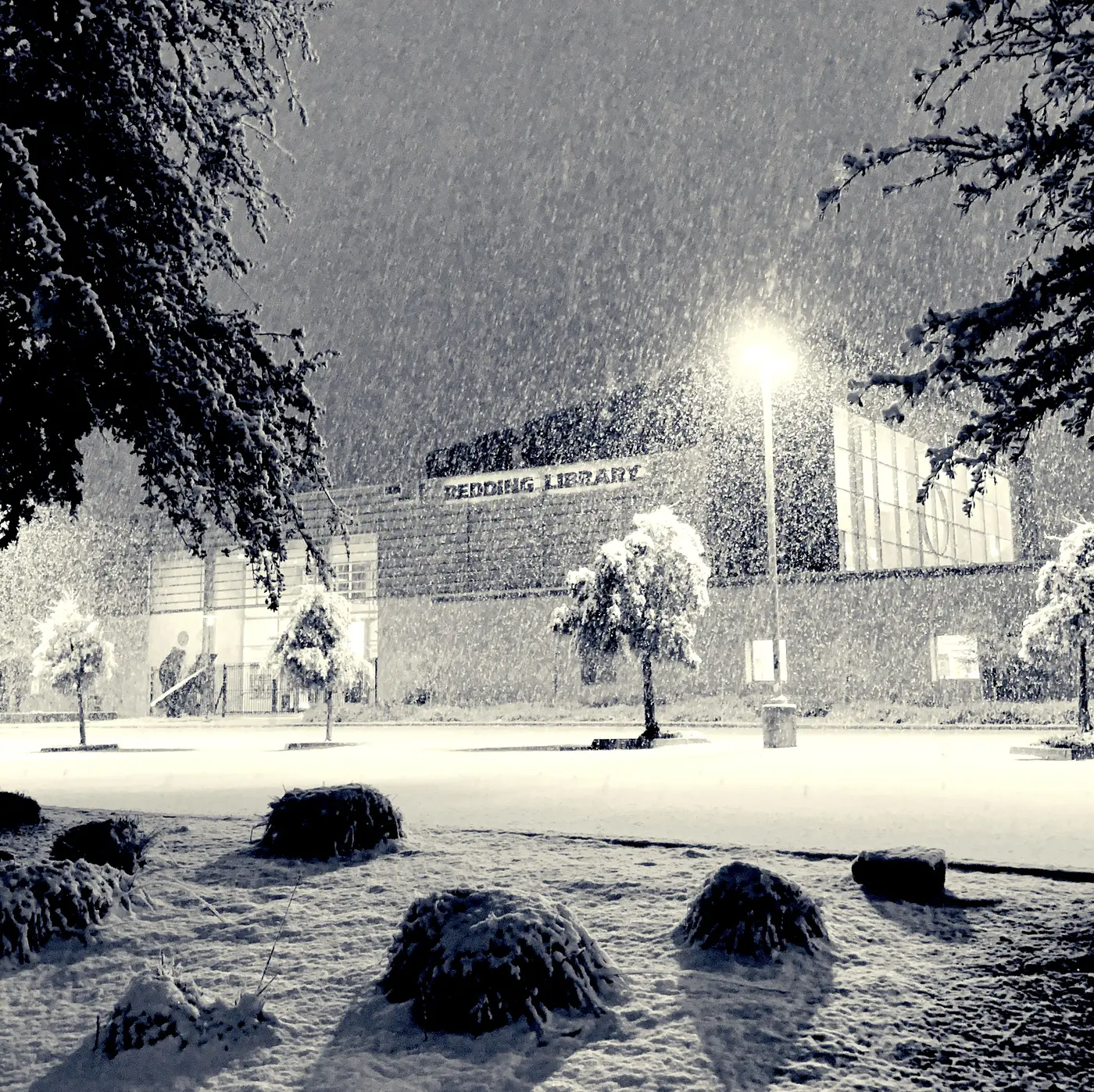
Redding Library during heavy snowfall
Placeholder caption.

Example 03

Example heading

Use this space to introduce another public-information example. Lead with what was changing, what was uncertain, and what people needed to understand.

Then describe how the message was built and what happened after it was published.

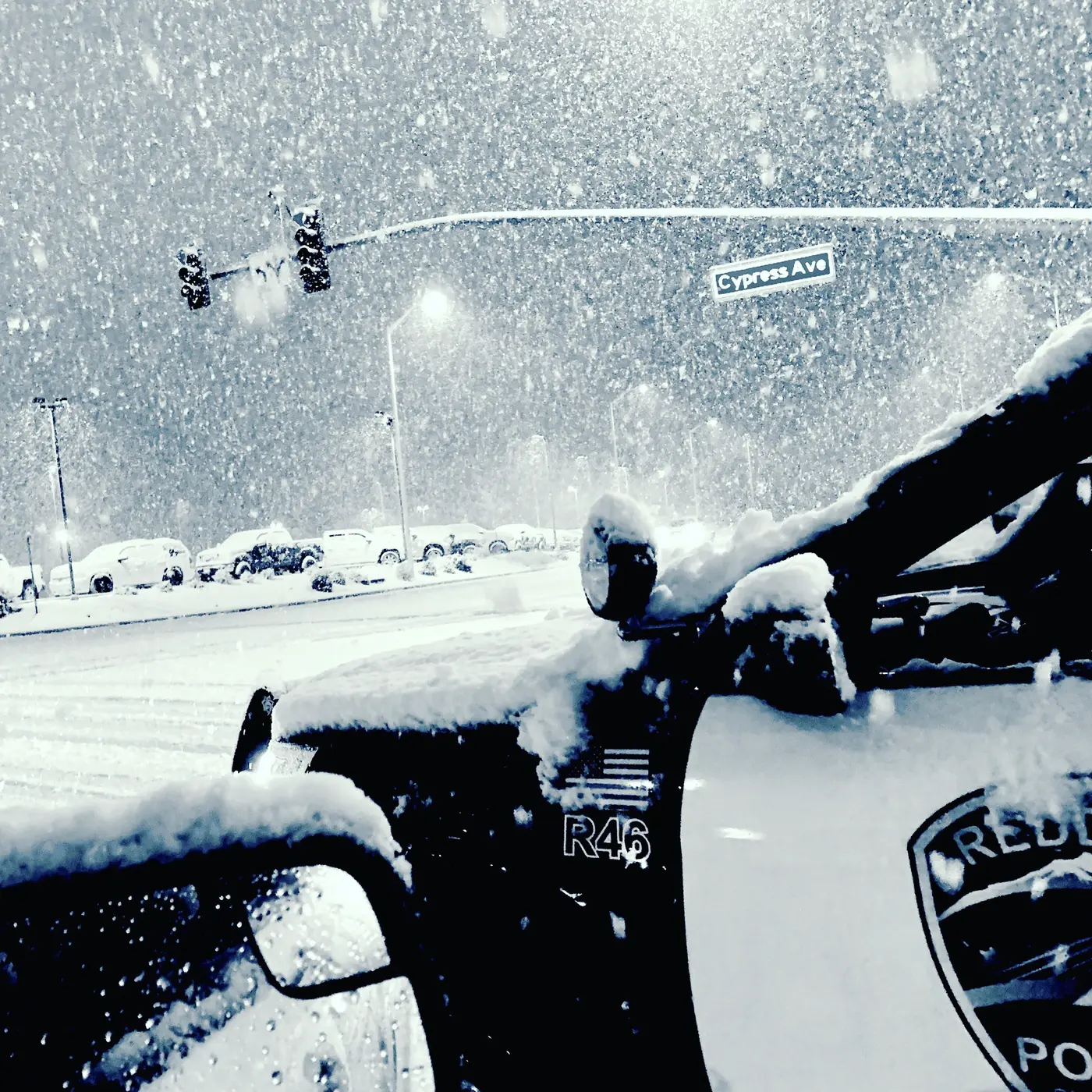
Police officer beside a snow-covered patrol vehicle on Cypress Avenue
Placeholder caption.

See more communications work.

Return to Communications →